


Hybrid events: the pros
On the one hand, hybrid events widen access and reduce the environmental and financial costs of travel. On the other, they offer in-person visitors the buzz we all missed during the Covid-19 lockdown.
So, it seems like a win-win situation, and there have certainly been some brilliant hybrid events.
Video gaming convention TwitchCon has combined an IRL party with live streaming events.
And the London EV Show has successfully showcased the best in electric vehicles at the Business Design Centre, while inviting virtual attendees to take part in video calls, online networking and other activities via its dedicated platform.
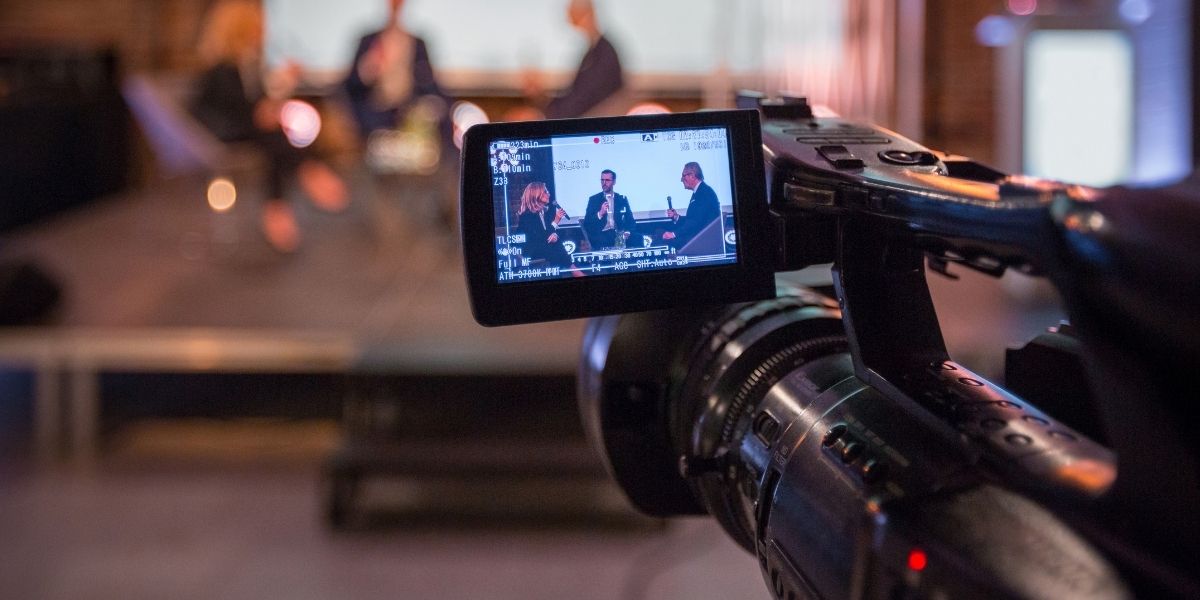
Hybrid events: the cons
But not all organisations have the budget or are as tech savvy as the major players.
The Eventsforce survey also found that 32% of organisations were not taking the hybrid route, and were planning to separate their in-person or virtual events. Only 49% felt the future was hybrid.
Why the reluctance? Because hybrid events are costly (cited by 73% of planners), risky (68%), and too complex and time-consuming to manage (59%). Some 42% of respondents simply don’t have the skills and experience needed to run them successfully.
Of those organisations which are making the leap to hybrid events, the biggest challenge (cited by 81%) is blending the in-person and virtual experiences. Programmes, staffing, pricing and sponsorship are also concerns.

Synchronous or asynchronous events?
Blending a hybrid event in a way that satisfies both in-person and virtual audiences is a mammoth task. One increasingly popular way to avoid the hybrid headache is to hold the two elements at different times, also known as an asynchronous approach.
An asynchronous approach is said to allow for each element to be better shaped for its audience. It also alleviates pressure on staff, so they can focus on improving the experience of each group.
As with any event, several different formats are emerging. For example, speakers could present twice: once to a live audience, and once via webcam to a virtual audience. Alternatively, they could be videoed while addressing a live audience, and the footage repurposed for online viewing at any time, though that does raise the question of whether this is really an event.
So, events industry experts are leading the way in asynchronicity, but is it the right path for your organisation to take?

Linney- your events management partner
Successful events require a huge amount of thought and input, and the pandemic has changed the landscape beyond recognition.
If you’re interested in benefiting further from Linney’s wide-ranging events and marketing expertise, we’d love to work with you. Contact us today to chat things through.