


Eye-tracking
Eye-tracking has multiple uses, both for screen-based research and in real-life environments. It allows us to view customer journeys in the first person, mapping eye movements onto a screen or head-mounted camera.
The data shows us where customers are looking, rather than expecting them to recall everything they see and do. The software allows us to create large numerical datasets, which focus on three key areas of consumer behaviour: the order in which an individual looks at stimuli, how long the stimuli hold their attention, and areas of focus within an environment. We apply this to various areas of consumer research, such as improving fixture layouts and designs, store navigation, website and app usability, and content placement.
Galvanic skin response
GSR provides data on whether a customer has an emotional response to stimuli and the intensity of that response. This doesn’t mean we know what that response is, but, when combined with other biometric tools, it gives us a greater understanding of the strength of that emotion. GSR can track the differences in an emotional response to different elements of a customer journey, discovering pain points and stressful zones along that journey. Other uses include optimising content to understand which theme yields the strongest emotional response, or the weakest one, to make our work engaging and exciting.
Facial coding
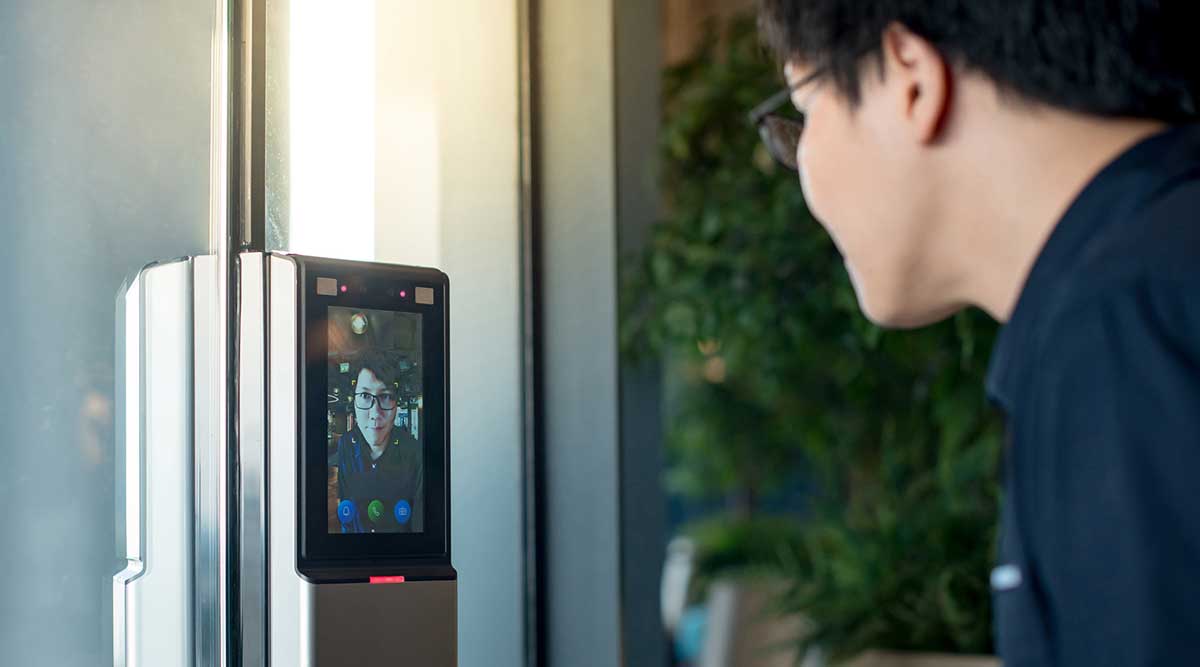
Facial expressions are an important social signal. Facial expression analysis enables us to quantify what is being expressed by a customer’s face using a database of 6.5 million faces from 87 different countries. Facial coding provides data on the probability of a customer expressing emotions such as joy, anger, surprise, fear, contempt, sadness and disgust, plus their engagement levels. This biometric tool helps us improve the usability of an app or website and the effectiveness of marketing material and advertising. Used with GSR, it allows us to match the emotion with the level of emotional response for a fuller picture of a customer’s behaviour.
EEG neuroscience
Our electro-encephalography equipment turns brain activity into analysable data. This can sometimes tell us more about what is shaping a customer’s behaviour than they themselves will be aware of. From electrical signals within the scalp we can gain a greater understanding of their alertness, motivation, engagement and level of cognitive workload. EEG provides data on the speed of a thinking process, its intensity and duration. It is best used to supplement previous research through drilling down into areas of interest, particularly the value of marketing content, creating effective packaging designs and levels of customer satisfaction. Taken together, these tools form a powerful arsenal in understanding the inner workings of consumer minds and tapping into their decision-making like never before.