


Aim of the legislation
The primary objective of the LHF legislation is to restrict advertising of products high in fat, sugar, and salt before 9pm on television and across digital channels, including on-demand services, to reduce public exposure to less healthy food messaging.
However, it’s important to note that certain areas are still exempt from these restrictions. These include communications that take place directly in a hospitality environment, such as menus or signage on site. Organic website content, CRM tactics like emails or in-app messaging (if a user has opted in), and other brand-owned channels are also not affected.
But that doesn’t mean hospitality businesses are not feeling the effects. Even if chefs and restaurants aren’t directly advertising these products, their suppliers, brands, and third-party delivery platforms probably are. As campaigns have shifted or disappeared, so might customers’ exposure to certain products, impacting customer expectations, influencing industry trends, and affecting public trust and perception of a hospitality offering.

Strategic impacts on chefs and food producers
The new LHF legislation has fundamentally altered how hospitality businesses market and position their food. One major shift is the reduction in marketing space for indulgent staples like burgers, fries, pizzas and desserts, particularly in digital marketing campaigns or on television. This restriction created an immediate challenge for businesses whose marketing traditionally centred on these crowd-pleasing options.
Chefs and development teams have had to reevaluate and reengineer their menus, perhaps updating recipes, elevating the visibility of healthier choices, or designing new products that balance flavour with nutritional improvements.
Messaging and presentation have also required a rethink, especially as paid channels are now less viable for promoting indulgent or LHF products. With customers potentially being less well informed about special offers or hero items, on-premise communication, including storytelling and visual presentation, now plays a more pivotal role in capturing attention and conveying value.
Brand reputation has become increasingly important under the new framework. Businesses have had to ensure that their in-store messaging, signage, and promotions align closely with their broader marketing strategies. Brands with a more limited product range have been more directly affected by the changes, while those offering a wider variety of options have found greater flexibility to highlight healthier or reformulated menu items.
However, chefs and food developers are by no means limited: from updating recipes to promoting balance and occasional indulgence, brands have responded in ways that support both public health goals and consumer demand. Clear, consistent communication and a proactive approach have proven to be essential to maintaining strong brand trust in this changing environment.
Menu development and innovation
The LHF legislation has become a prompt for strategic menu evolution, not a compliance headache, creating the ideal time to assess the fat, salt, and sugar levels in signature dishes. Working collaboratively with suppliers or nutritional consultants has helped businesses identify ways to improve nutritional profiles while preserving the taste that customers know and love.
Product pipelines have also needed careful reconsideration, with an increased R&D focus on product formats that are compliant and commercially viable, offering wellbeing without sacrificing indulgence.
Menu balance, the strategic combination of healthier dishes alongside LHF options, has become another great option. Creating true menu balance goes beyond simply adding a salad. It means thinking strategically about the overall range, reworking product messaging, and aligning every part of the customer journey with new expectations.
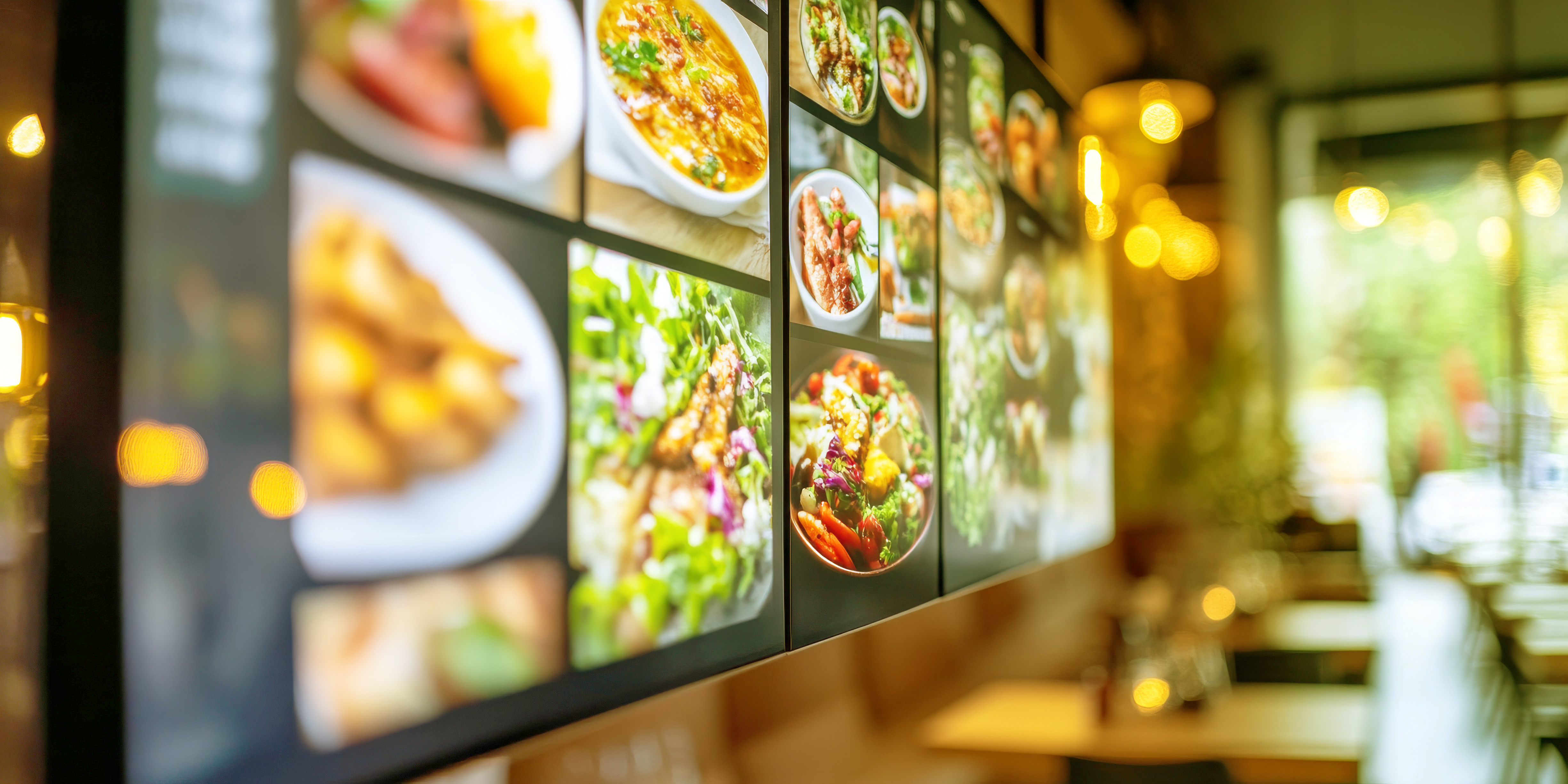
The external advertising restrictions have seen internal marketing take on heightened importance. If customers won’t see a product before entering an establishment, point-of-sale materials and in-store displays become critical touchpoints for influencing purchasing decisions. These elements require even more thoughtful design to spotlight compliant items while maintaining brand appeal.
Linney: your partner in LHF strategy
Adapting to HFSS legislation doesn’t have to mean compromise.
From consultancy and menu engineering to creative reformatting and digital solutions, Linney can help you stay compliant without losing your brand's flavour. Talk to our experts today.
This article was originally published by The Chefs' Forum.