

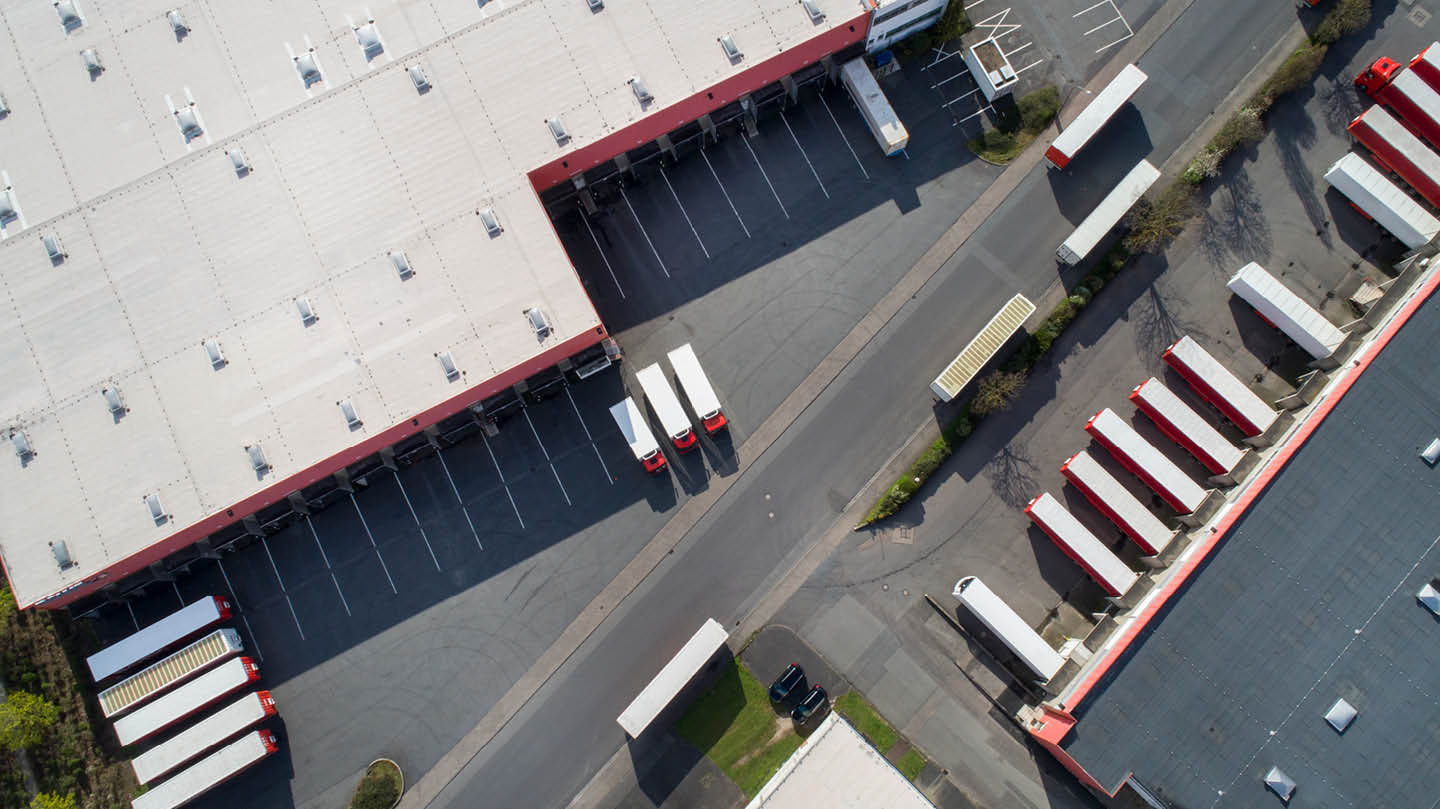
Are standalone warehouses even necessary?
Distribution centres have advanced technology and can double as a warehouse, so you might ask why we still use standalone warehouses. You’d be wrong to think that companies no longer need a standard warehouse design without the complex technology distribution centres can offer.
Location is a huge factor to consider. Some companies that have their distribution centres in convenient locations may forego a warehouse altogether and only use a distribution centre. However, warehouses are typically used by companies that have distribution centres that are out of the way. Having a warehouse as well as a distribution centre can suit companies who need long-term storage for items that don’t need to be shipped out just yet.
So, should I use a warehouse or a distribution centre – or both?
When deciding which option to choose, ask yourself what your core customer base is and the type of storage you need. Do you need short-term or long-term storage? Will you be serving external customers, or do you simply need warehouse space in a convenient location to store products?
Think about the type of products you sell. A warehouse tends to be more suited for long-term storage of products and is ideal if you aren’t looking for products to be shipped out immediately. If your product demand suddenly increases, your warehouse provider could support your growth by housing more of your stock and arranging the logistics for your stock to be moved to your distribution centre.
On the other hand, a distribution centre is usually the best option to handle the movement of goods in and out of a facility quickly on an individual basis. Are you going to be selling fast-moving products to multiple retailers or direct to consumer (D2C)? If so, you'll need a distribution centre that has the technology to do this. Distribution centres are also ideal for products that have shorter expiration periods.
As noted, some companies may be able to offer both services or a hybrid operation that meets your ecommerce needs. Whether a hybrid option is right for you depends on the type of storage you need and whether you could do with a warehouse in a convenient location for long-term storage as well as a distribution centre.
Choosing between fulfilment centre and distribution centre
You may also be considering whether to choose a distribution centre or an order fulfilment centre and what the difference is between the two. The key difference is that a distribution centre is more of a business-to-business storage facility than a fulfilment centre. A distribution centre is used to receive inventory, temporarily store goods and redistribute them. The distribution centre normally focuses on the retailers or wholesalers, receiving items from the supplier and sending them on to the various stores.
Consider the distribution centre as a bridge between the supplier and the stores. These centres are part of a distribution network of facilities located closer to retail locations and they don’t normally house inventory for long periods. Distribution centres sometimes also ship items to fulfilment centres as needed for ecommerce fulfilment. Fulfilment centres are useful for taking care of your customers’ needs and ensuring you provide the best possible experience for them, by offering personalised or branded packaging produced on site. Fulfilment centres also focus on ensuring end consumers receive their orders on time, meeting your shipping timeframes with your customers’ delivery expectations.
At Linney, we understand that making your customers happy is the end goal. Getting your products to your customers efficiently and exceeding their expectations is a key part of maintaining loyal customers. That’s why we provide much more than just warehousing and stock management. We offer a variety of services to help your ecommerce fulfilment process go smoothly, from managed ecommerce services to order fulfilment services. To find out more about how we can help you provide your customers with the best service possible, contact us here.